

Within the last two years there has been an increasing debate within the profession typified by the letters in Bulletin i.e. November /December 2001 and my article ‘The Therapy Process: Disposable or Indispensable’ (Speech and Language Therapy in Practice Summer 1999) as to the efficacy of Consultative models of delivery i.e. the Therapist becoming more of an assessor providing programmes to be carried out by non-speech and language therapists with interim reassessment and programme updates also undertaken by the speech and
language therapist.
- Learning Support Assistants LSAs /SLT Assistants becoming primary deliverers and instigators of therapy at the coal face so to speak
As opposed to
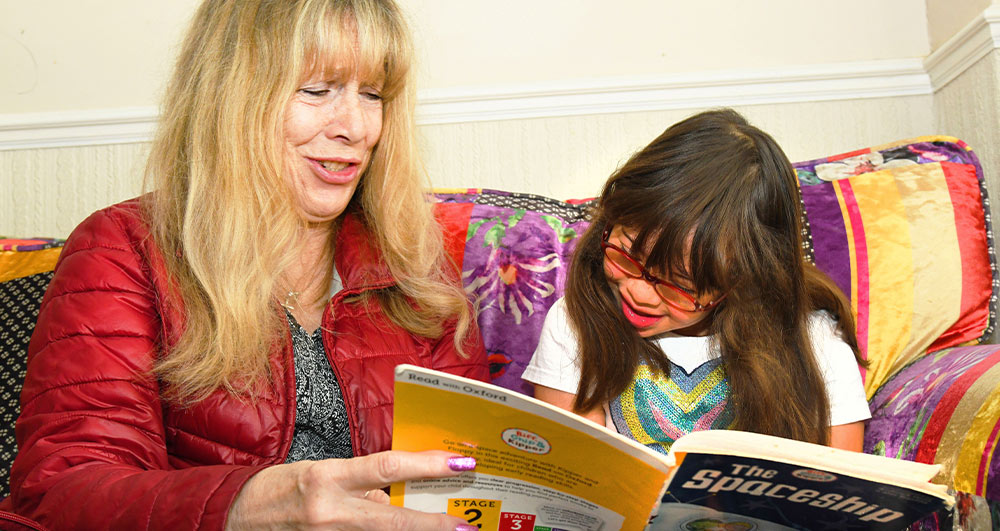
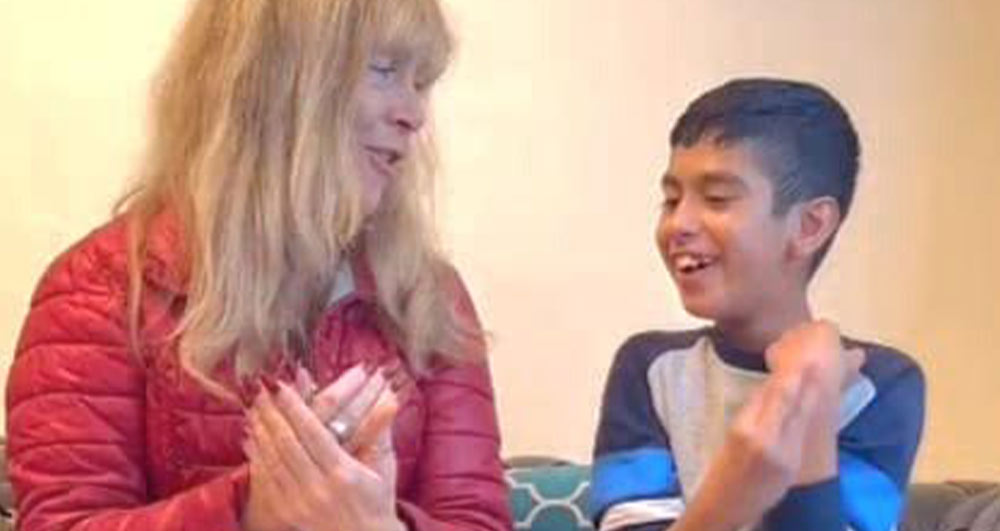


- Ongoing one to one therapy conducted primarily by the speech and language therapist. This approach would also include elements of the above
In the last four years I have held and expressed (Wotton99: 01) a growing concern about the
mass application of the more “at a distance therapeutic approaches” (Wotton99) typified by
the Consultative Model. Particularly when there have been no trials assessing the efficacy of
these approaches or a debate as to the impact of these approaches replacing on going one to
one work conducted by a qualified speech and language therapist. I would like to take this
opportunity therefore to open up the debate.
I believe that it is the close-up experience when working one to one that ultimately forms the
bedrock of our own professional knowledge base. Increasing this knowledge base enriches
our understanding as to the nature of the disorders we are dealing with. It essentially provides
us with the raw material from which we can derive driving principles and begin to
methodically create and test our hypothesis. There is nothing new in this approach to therapy.
The principles highlighted above are very much embodied within the psycholinguistic
approaches as advocated by Harris and Coltheart 1986: Stackhouse and Wells 1997: Chiat et
al 1997.
Commenting as to the benefits of such a methodical approach Chiat 1997 states
‘Intervention and the patient’s responses to it may contribute fresh insights into the
difficulties which may in turn lead to a revision of the therapy hypothesis.”
However more relevant to arguments posed by this paper she further adds.
“The emphasis… is on interactions: between intact and impaired levels of processing;
between observations emerging from assessments and those emerging from therapy; between
the patient and therapist. Therapy so conceived is dynamic, moving from initial hypotheses
about the sort of intervention that will facilitates the patient’s processing, according to the
patient’s response to that intervention”
In other words, the therapy outcome is not just dependent upon the therapist’s ability to use
their skilled eyes to filter and interpret the client’s responses and thereby to “categorise” and
more importantly to “particularise” data Billing (1987) but it is crucially intimately linked to
the proximity of the therapist to their client. It is therefore the close-up methodical search for
what is going on that is in my opinion the bedrock of how we construct our therapy on a
session by session basis and how we understand the evolving nature of the disorders we deal
with.
Interpreting the raw data via the filter system of an untrained person can therefore only blunt
acquisition of our conceptual constructs (Mcghee 01) which in turn will only further blur our
deeper understanding of the disorders we deal with.
Implicit therefore within the underlying philosophy and process of the consultative model is a
belief that our understanding of speech and language disorders is complete and that further
understanding of them has nothing to do with what happens at a clinical level. But most
importantly and even more concerning, the reliance on the consultative process diminishes
the complex and dynamic nature of many of the disorders we work with.
My clinical experience to date leads me to believe that in many circumstances rather than
dealing with unitary passive disorders we are often working with a constellation of
symptoms. These are overlaid by and interface with the individual’s personality, own hard
wiring and impact of environmental factors these all contribute to the pattern of a presenting
disorder. Such a conglomeration means we are often left uncertain as to what it is, we are
looking at inevitably leading us to inter professional debates as to the ‘real nature’ of specific
disorders. This point is particularly highlighted by Trevarthern et al (1998) where they
speculate about the relationship of autism with other disorders.
“There is an increasing recognition of a need to broaden the concept of autism both in terms
of the expectation of a higher rate of associated conditions in the members of the extended
family…This means it will not always be possible to distinguish autism sharply from either